Finding out there’s a leak-that telltale drip stain on the ceiling or the persistent musty smell in the attic-is stressful enough. You are already worried about structural damage, unexpected costs, and whether you’ve hired the right person to fix it. It feels like navigating a minefield of confusing technical jargon and even more confusing price estimates. If you're asking yourself, “where can I find reliable quotes for roof leak repair?”, please know that this question is not just about money; it's about peace of mind and protecting the long-term integrity of your home in Far North Dallas.
As someone who has spent my career dealing with the specific weather extremes this part of North Dallas sees-from intense summer heat to massive hailstorms-I’ve seen how quickly a small issue can become an expensive nightmare. The truth is, finding reliable quotes requires more than just calling three different companies. It requires knowledge: knowledge of local building codes, knowledge of your unique roofing materials (be it historic slate in Oak Lawn or modern metal over Knox-Henderson), and critical understanding of what a thorough inspection actually entails. Over the next few sections, I’m going to walk you through exactly how to evaluate quotes and what questions you need to ask before signing anything.
When a Leak Happens: Understanding the Hidden Damage Beyond Visible Stains
Many homeowners assume that if they can see the drip spot, the repair is simple-just patch it up and call it done. While that may seem logical, roofing leaks are rarely as straightforward as a visible stain suggests. Ignoring the root problem is the most expensive thing you can do for your property.
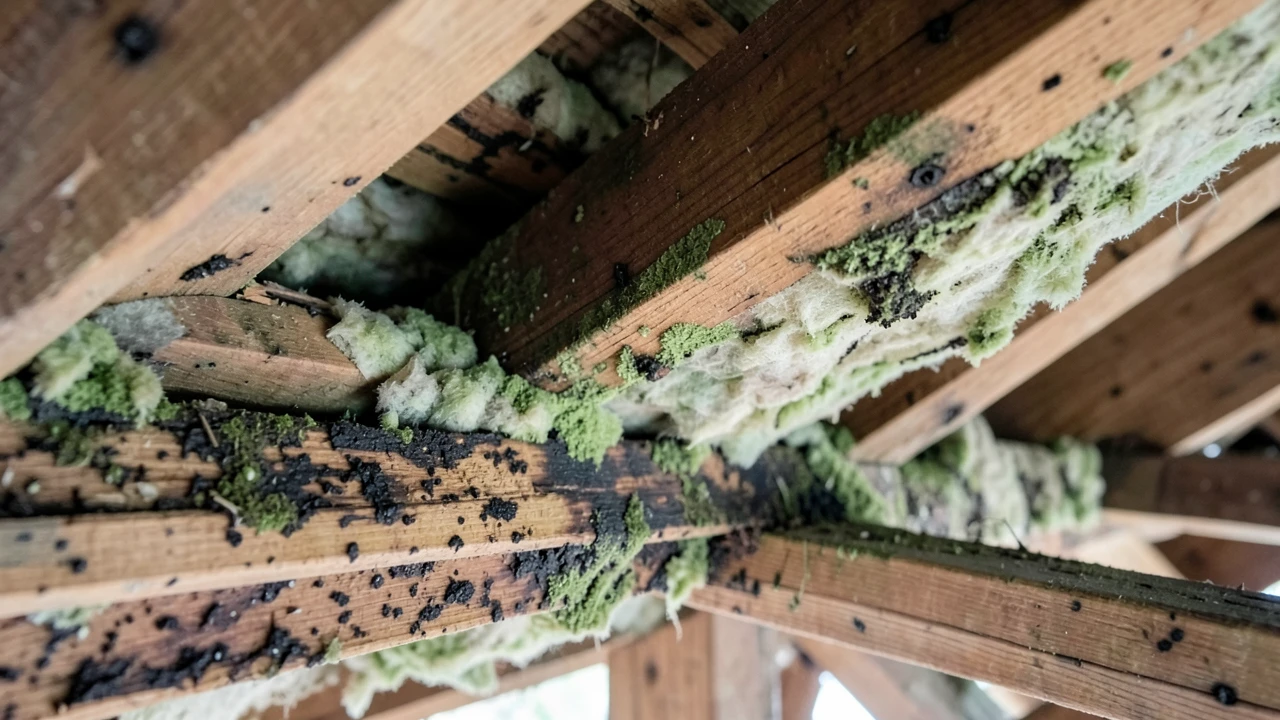
The red flags often visible to the naked eye-the musty smells or the yellowing stains on ceilings-are merely symptoms of a much deeper, more costly issue happening in your attic and sub-structure. These signs are signaling structural damage, not just cosmetic wear. Water doesn't stop at the drywall; it permeates everything.
How does this secondary damage compound? Mold growth is perhaps the most immediate threat. Leak water provides the perfect damp, nutrient-rich environment for mold to flourish on insulation and wood framing. This isn't just unsightly; extensive mold can degrade building materials and pose serious health risks to your family. Worse still is the potential for rot in the underlying lumber structure-the very bones of your home. If you only address a visible patch over a compromised flashing or degraded support material, that water intrusion will find another path around it within months, multiplying the repair costs indefinitely.
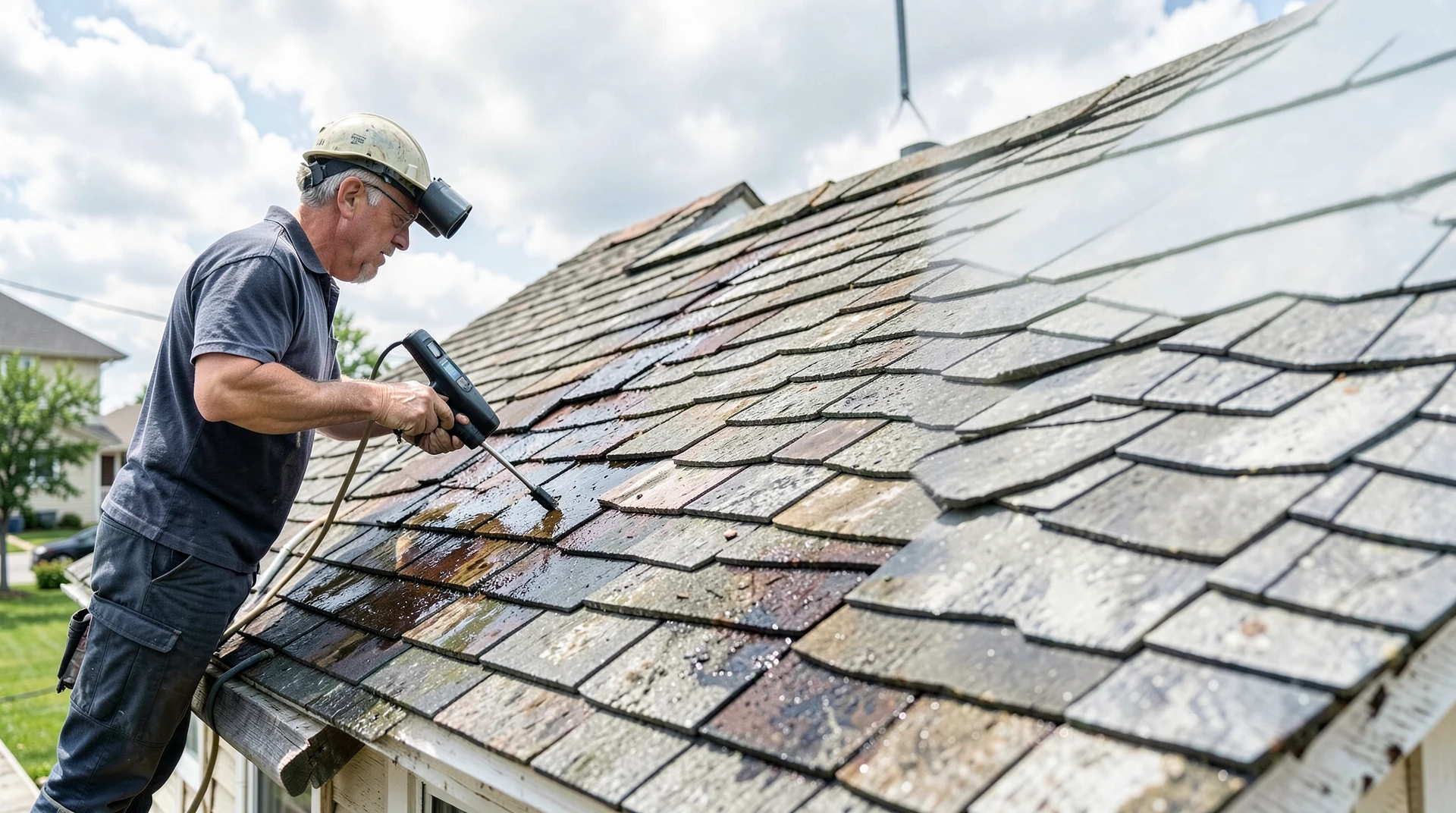
This brings us to the critical difference between a 'patch' and a full diagnosis. A truly professional assessment must pinpoint the source of water intrusion-the actual point where your roofing services are failing-rather than simply addressing the drip spot you are currently seeing indoors. Addressing these hidden structural issues first, even if it means an initial inspection reveals more problems than expected, is always the most cost-effective approach in the long run.
Deconstructing the Quote: What to Look For When Finding Reliable Quotes for Roof Leak Repair
This section directly addresses your core question: “where can I find reliable quotes for roof leak repair?”. The painful truth is that you will receive many estimates, but only a few of them are truly comprehensive or trustworthy.
First, let’s tackle the superficial offers. Estimates found online based on zip codes, or simple phone consultations over the phone, are inherently unreliable. A quote must be based on a physical, detailed inspection-a walk-through right on your specific Far North Dallas roof system. The contractor needs to see the pitch, the flashing details, the material age, and how the gutters interface with the roof plane before any numbers can be generated.
Next, we must address the biggest fear in the quoting process: hidden costs or unexpected 'upsells.' A reputable, trustworthy contractor (the kind of neighborly expert I aim to be) provides a crystal-clear breakdown upfront. Your quote should never be a single lump sum number. Instead, it must clearly itemize:
- Labor Costs: What specific hours are allocated for diagnosis and repair?
- Materials: A list detailing every material-be it specialized flashing (the roof's little belt) or sections of treated lumber.
- Disposal/Clean-up Fees: Crucial, often overlooked costs related to debris removal.
- Warranty Coverage: Details on both the workmanship and the materials themselves.
When comparing quotes, remember this rule: It’s not about finding the lowest price; it's about finding the most comprehensive plan that includes necessary preventative maintenance. If one quote is significantly lower than others, ask yourself why. Is it skipping the detailed flashing assessment? Is it assuming simple sealant application when the area requires structural replacement?
Finally, you must define the scope of work required. Does the quote only fix the leak visible right now, or does it require replacing degraded flashing, underlying support materials, and potentially addressing minor gutter repairs that are contributing to the overflow problem? A good contractor will advise on both immediate fixes and necessary preventative upgrades.
Material Matters: Choosing a Repair Solution That Matches Your North Dallas Home's Aesthetics
Far North Dallas is home to some of the most architecturally significant homes in the region, from classic bungalows near Knox-Henderson to high-end estates in Oak Lawn. This means that "repair" cannot be treated as one size fits all. The material and method must complement your property’s aesthetic and structural needs. Because we understand that protecting your property involves more than just shingles, we also provide advice on finding dependable care for your residence.
If you have a historically sensitive or high-end roof-perhaps slate or decorative tile-you require specialists who understand their unique handling requirements. These materials do not accept general, quick fixes. Their repair demands expert knowledge that goes far beyond standard asphalt work. A simple sealant might be sufficient for minor flashing wear on an asphalt shingle roof, but if the underlying metal flashing is severely compromised, a patch job will fail repeatedly and quickly. For specialized needs like slate or decorative tile, consulting with experts who understand comprehensive Rock Line Roofing solutions is essential.
When discussing repairs, consider longevity versus aesthetics. If your current roofing system has reached the end of its useful life, even if we can fix the leak with minimal materials, I urge you to consider the roof’s life cycle. Sometimes, what seems like an economical repair today is simply delaying a massive and inevitable replacement in two years, costing you more time and money overall.
This brings up modern options that are increasingly important due to severe local weather events. Impact-Resistant Shingles or Metal Roofing offer superior storm resilience-crucial considerations after a hailstorm. While these materials may represent a higher initial investment, their ability to withstand the unpredictable nature of our regional climate often makes them more cost-effective than repeated emergency repairs.
Vetting Your Contractor: Questions to Ask Before Signing Any Repair Agreement
Once you have narrowed down your choices and feel confident in a comprehensive quote, your job isn't done. You must vet the contractor thoroughly. This is where local knowledge becomes your most powerful tool. For those needing reliable roofing throughout the region, vetting local expertise is key to ensuring a thorough assessment.
First, prioritize local reputation and deep community roots. A true neighborly service understands the specific building codes, historical material requirements, and recurring weather patterns of your immediate area-be it the zoning rules around White Rock Lake or the specific soil type that affects drainage in a different neighborhood. Ask to speak with neighbors who have used their services recently.
Next, confirm insurance, licensing, and worker safety certifications. This is non-negotiable protection for you. If damage occurs during the repair process itself-for example, if debris falls onto your property or they accidentally damage landscaping-you need documentation that protects you financially. Never rely on a verbal assurance; ask to see the current policy numbers.
Another practical concern is the clean job site. When speaking with potential contractors, make sure to discuss their commitment to removing all debris and protecting surrounding landscaping. We pride ourselves on treating your property like it’s our own. A professional process includes pre-job protection of lawns, walkways, and downspouts, ensuring that when the crew leaves, your yard remains spotless.
Finally, always insist on written warranties for both workmanship and materials. This written guarantee is your safety net against future unexpected failures. If they are hesitant to provide a comprehensive warranty covering years of time-not just months-that should be a major warning sign that you need to listen to.
Moving Forward: The Path from Leak Diagnosis to Lasting Peace of Mind
To summarize what we’ve covered, the journey from identifying "where can I find reliable quotes for roof leak repair?" is not about finding the cheapest bid; it's about securing a master plan based on expert diagnosis. We must shift our focus from reactive emergency fixes (which are always more expensive) to proactive maintenance that safeguards your property value and your peace of mind.
As Ben Carter, I’ve learned through years in this business: the greatest cost savings come from staying ahead of the problem. Knowing when to replace a roof after storm damage or recognizing subtle signs you need new roof installation is far better than waiting until mold sets in or water finds a major structural flaw.
So, what does that path look like? It starts with an initial call, followed by a detailed inspection (the physical assessment of your specific structure), leading to a comprehensive written quote, and finally, the repair or replacement itself. Getting an accurate diagnosis is the crucial step after simply asking where to find quotes.
My advice remains consistent: Approach every contractor with educated questions, insist on seeing documentation, and never feel rushed into a decision based purely on panic. Your roof should provide shelter, not stress. By understanding these steps-from identifying secondary damage to vetting local experts-you are already in the driver's seat of protecting your home. If you have concerns about visible staining or musty smells inside, don’t hesitate to call us at +1 469-589-3827. We handle everything from routine roof inspections on your Lake Highlands property to complete, custom metal roofing replacements that perfectly complement your home's architecture in Far North Dallas. Let's restore not just the roof, but also your confidence and peace of mind.