
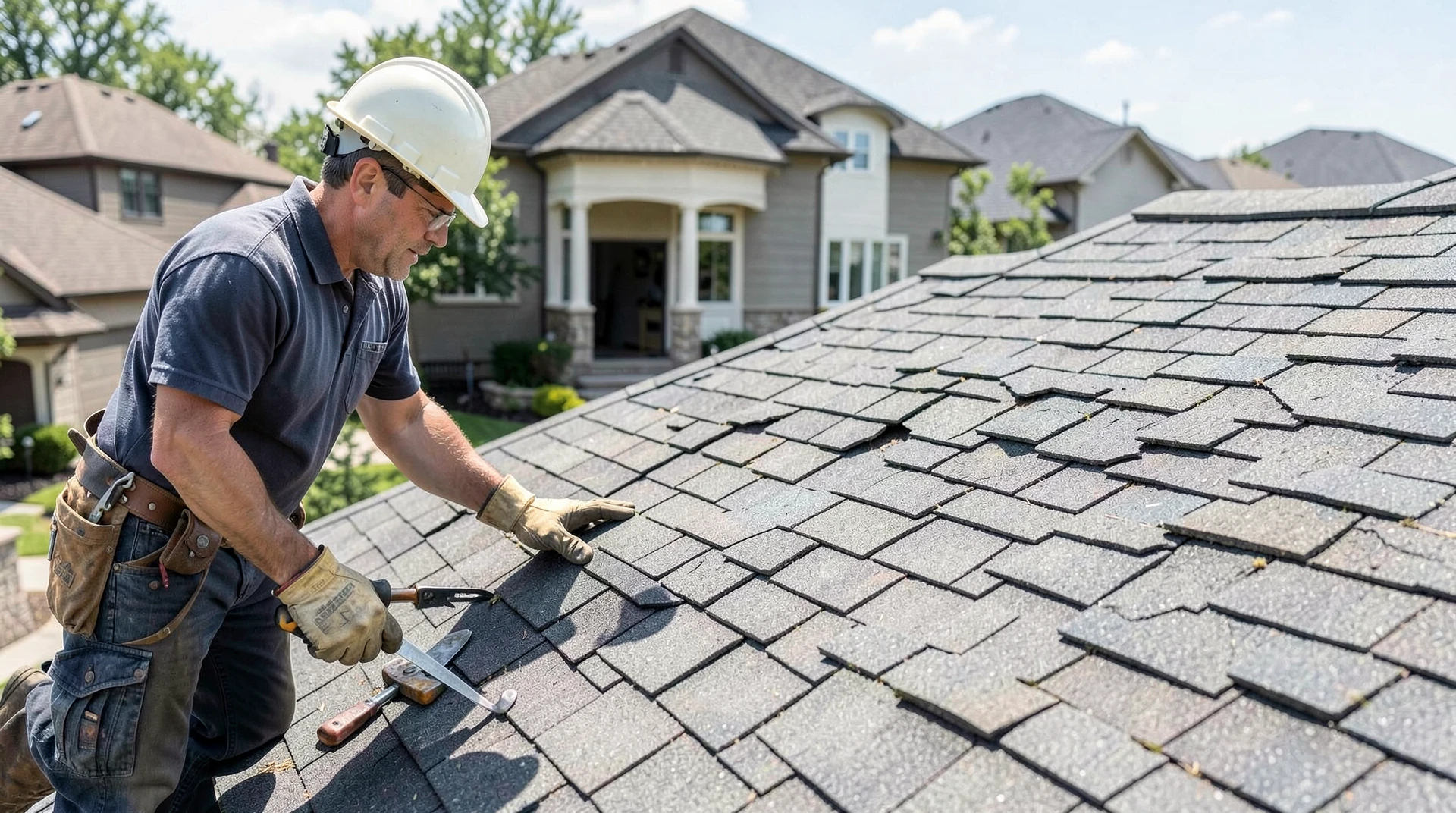
Expert Advice for Urgent Storm Emergency Roofing Needs: A Homeowner’s Guide to Post-Storm Care
The sheer panic that hits when you see debris scattered across your lawn or notice telltale water stains on your ceiling is completely understandable. When a severe hailstorm or high wind event sweeps through the Far North Dallas area, your immediate focus shifts entirely to safety-and then, inevitably, to damage assessment. In these moments of chaos, navigating what to do next can feel overwhelming. You might be bombarded with conflicting information online, and you'll face critical decisions about temporary fixes versus full replacements like Metal Roofing in Far North Dallas, TX.
At Rock Line Roofing, we understand that dealing with storm damage is more than just a repair; it’s an emotional and logistical challenge. We want to give you reliable, expert advice for urgent storm emergency roofing needs-advice rooted in meticulous inspection and decades of experience serving our neighbors in neighborhoods like Knox-Henderson and White Rock Lake. Our goal is simple: to help you regain peace of mind by turning a moment of crisis into a clear, actionable plan.
When a Severe Storm Hits: Immediate Steps After Hail or High Winds
The very first rule we teach any homeowner-and the one that must be paramount-is safety first. Before you even think about shingles or flashing, ensure your family is safe. Do not attempt to enter or navigate under your home if there are visible structural concerns, such as shifting foundations, large gaps in exterior walls, or hanging debris that looks precarious. If the house feels unsafe, please call us immediately for a professional assessment and do not proceed with any entry until we have cleared it.
Once immediate safety is secured, your initial damage assessment must focus on temporary mitigation. The goal here isn't to fix everything; it’s simply to stop the bleeding-to prevent secondary water ingress. You need to identify the worst leaks immediately and cover exposed areas (like a large section of missing shingles or torn flashing) using emergency sheeting or tarps. This simple measure can save your attic, your insulation, and your expensive drywall from catastrophic mold growth later on.
Crucially, documenting everything for insurance is non-negotiable. Before any temporary patches are applied, you must take exhaustive photos and videos of all visible damage. We mean everything: missing shingles, bent flashing pieces, areas where granules have washed away, or sections of damaged gutters. This comprehensive documentation builds your case from day one. Remember this checklist while the memory is fresh.
Finally, it’s vital to understand the difference between a superficial tear and structural failure. A minor shingle loss can often be patched, but if water has been able to penetrate through the decking or, worse, into the underlying trusses, you risk hidden rot that requires an immediate professional assessment. This is why quick visual checks are never enough; deep expertise is required.
Beyond the Visible Damage: Understanding Storm-Related Roof Failures
Many homeowners assume that if they can see it, it's all the damage there is. Unfortunately, roofing science teaches us that a roof is not merely a collection of shingles; it is a single integrated system designed to shed water and protect everything beneath it. This means superficial damage-like seeing bent flashing or a few loose pieces of metal-often signals a deeper systemic issue that needs addressing.
One of the most common, yet overlooked, dangers after any significant leak is mold and mildew risk. Water intrusion doesn't just affect your visible roofing materials; it promotes internal growth within your attic space and structural cavities. This requires professional remediation far beyond simply replacing shingles; the hidden water damage must be addressed to prevent long-term health and structural issues.
Another critical aspect of any storm assessment is differentiating between true “storm damage” (like hail impact or wind tears) and pre-existing wear/tear due to age. A thorough inspection helps us distinguish if the severe weather was merely the trigger that revealed an old weakness-a common scenario we see in older, beautiful homes throughout Far North Dallas.
We must also talk about flashing. If you think of your roof as a protective jacket, flashing is its little belt. These are the metallic pieces used wherever two materials meet or where penetrations occur (vents, chimneys, HVAC lines). We must inspect these areas meticulously because they are historically the most common points for leaks after severe weather events. A compromised piece of flashing can allow water to bypass hundreds of dollars worth of shingles entirely.
Navigating Insurance and Cost: Getting a Clear Picture Without Surprises
Dealing with insurance claims adds an entire layer of stress that often rivals the storm itself. We guide homeowners through this process so you are empowered, not panicked. We explain what an adjuster typically looks for-and sometimes, what they might overlook-allowing you to ask educated questions and ensure your claim is thorough.
We also want to address the financial anxiety upfront. When getting a quote, always insist on itemization. A reputable contractor will provide detailed quotes that clearly differentiate between: 1) Repair costs (the immediate fixes); 2) Material costs (shingles, flashing, etc.); 3) Labor costs; and 4) Necessary structural remediation (decking replacement). If a quote is vague or only provides a single lump sum number, it’s time to get a second opinion.
There is a huge difference between a quick patch-up quote designed to solve the minimum problem today versus a comprehensive assessment that addresses the root cause of the failure. Our job, as your trusted local experts, is always to recommend solutions that genuinely solve the problem-the ones that prevent you from needing calls in 3-5 years due to recurrence.
For instance, while an initial repair might suggest standard asphalt shingles, we often walk homeowners through opting for highly durable materials like standing seam metal or premium impact-resistant options. We show how this initial investment can significantly reduce long-term maintenance expenditure and protect your property value against the unpredictable weather of Texas.
From Emergency Repair to Long-Term Protection: When is Replacement Necessary?
A key concept in roofing is understanding the lifecycle. Most roofs have an expected lifespan, but severe weather events-especially repeated hailstorms or high winds-can accelerate that timeline drastically. It’s possible to sustain enough minor damage over a few years of bad weather that replacement becomes necessary, even if no single event was catastrophic.
When deciding on materials, think about both aesthetics and durability. For instance, homeowners in historic areas like Old Town Carrollton might prefer slate or tile for their architectural beauty, while those in high-hail zones near Knox-Henderson might prioritize the raw impact resistance of metal roofing. We help match the material to your specific lifestyle and environment.
Modern roofing solutions offer superior long-term protection. For maximum durability and minimal maintenance, TPO (a popular flat commercial membrane) or standing seam metal roofs are often vastly superior investments over traditional materials when longevity is the number one concern. They seal out water better and withstand extreme temperature shifts with less effort than older methods.
I remember working on a beautiful home in University Park where the original owner thought they could save money by sticking to standard asphalt, but after reviewing his long-term maintenance log and the local hailstorm frequency, I strongly recommended a coated metal solution. The greatest cost savings, as my experience has taught me, come from proactive, preventative maintenance-a routine inspection done before disaster strikes-rather than waiting for a catastrophic emergency fix after a major storm hits.
The Professional Assessment: Building Trust Through Local Expertise
When the storm damage settles and the panic subsides, you need reliable expertise. This is where we step in. Our professional assessment process is methodical. You can expect Ben and our team to arrive with a detailed inspection protocol-from a careful walk-around of the roofline to analyzing material wear and tear under various angles. We don't just guess; we diagnose.
Our commitment to transparency and accountability means that we treat your property like it’s our own, ensuring a clean job site from start to finish, regardless of how complex the repair is. Because we live and work right here in Far North Dallas, our knowledge of specific local building codes and unique weather patterns allows us to tailor repairs that fit the distinct architectural needs of neighborhoods ranging from White Rock Lake to Cedar Crest, offering expert Flat Roofing in Far North Dallas, TX services.
Our commitment goes beyond simply roofing; it’s about preserving your property value and your peace of mind. We provide clear, direct advice-the kind you can trust-designed to make you feel secure about your home’s long-term integrity. If you are facing the aftermath of severe weather and need expert advice for urgent storm emergency roofing needs, don't settle for a quick estimate. Call us at +1 469-589-3827. Let our local experience give you clarity when you need it most. all our services. our homepage.