

Signs You Need a Roof Replacement Immediately: A Guide for Far North Dallas Homeowners
When living in an area as beautiful and historically rich as Far North Dallas-whether you're nestled near Knox-Henderson or enjoying the tranquility of Oak Lawn-your home's exterior details matter deeply. Your roof is perhaps the single most important element protecting your investment, acting as the primary barrier against Texas’ notoriously varied weather extremes. However, roofing issues are rarely obvious; often, the signs that something is wrong are subtle, internal, or appear long before a major storm hits. We understand that dealing with potential roof damage can be stressful and confusing, especially when you're trying to navigate insurance claims and contractor timelines. Our goal isn't just to fix leaks-it’s to give you the expert knowledge needed so you know exactly signs you need a roof replacement immediately, allowing us to proactively safeguard your family and property value.
Beyond Visible Damage: Identifying Urgent Signs You Need a Roof Replacement Immediately
Many homeowners wait until they see a glaring tear or a massive pile of shingles off the roof before calling a contractor. While visible damage is certainly alarming, the most critical warnings are often subtle degradation signs that signal structural fatigue. These require a meticulous inspection to diagnose correctly.
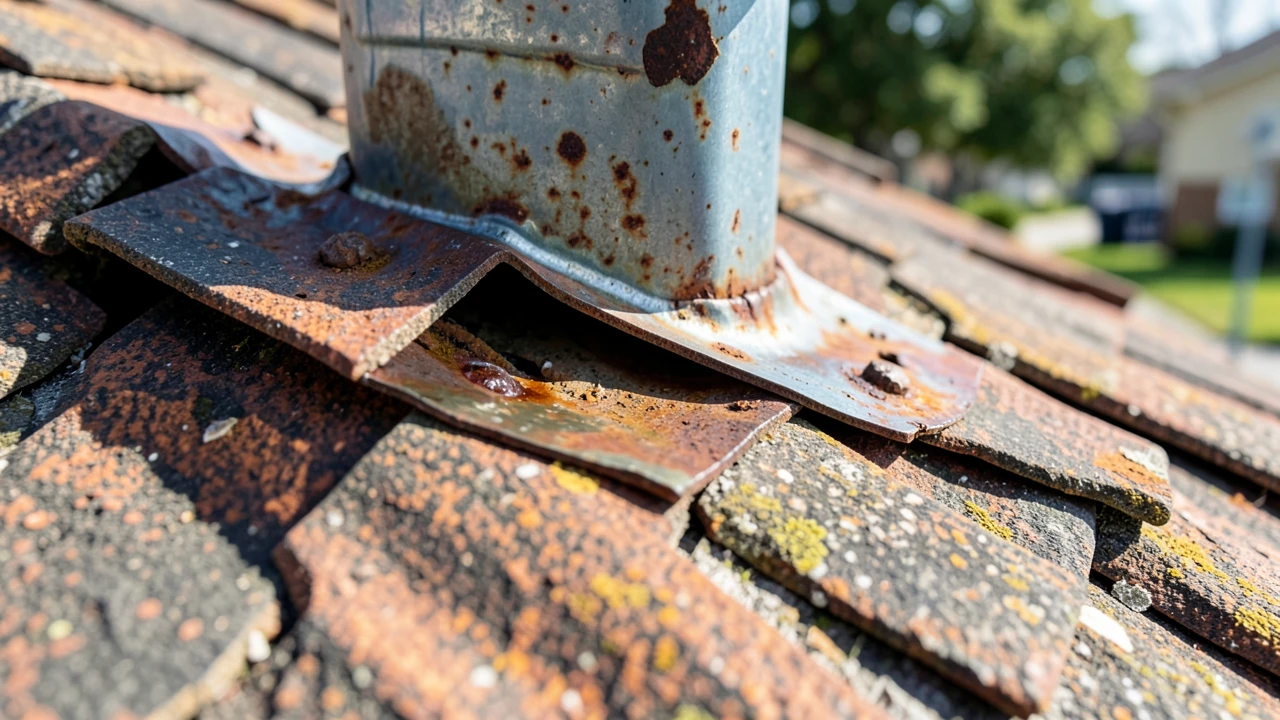
- Visible Material Degradation: A first place to look is at the materials themselves. Look closely for curling shingles-this indicates that the asphalt binding agents are failing and the material is dehydrating, compromising its ability to shed water effectively. Equally important is inspecting flashing. Think of flashing as the roof’s little belts; they seal seams around chimneys, vents, and wall junctions. If you notice cracked or corroded flashing, or excessive granule loss across large sections that goes beyond minor patches, it suggests that the underlying structure is struggling to contain moisture, which is a sign of deep material failure.
- Persistent Water Staining and Musty Odors: This is one of the biggest indicators we see, but it’s often the most alarming because the source isn't visible. If you notice staining on ceilings or walls that seems persistent or discolored, or if there are musty smells inside your home after rain-even if you can't pinpoint a drip-it means water has found a path through the roofing materials and into your structure. This is not merely an aesthetic issue; it represents an immediate structural risk to your drywall, insulation, and wood framing.
- The Sound Check: Sometimes, diagnosis is simply auditory. During rainfall, pay attention to the roof’s sounds. Are you hearing unexpected dripping noises in areas that shouldn't leak? Or maybe a rhythmic pattering sound emanating from around chimneys or ventilation stacks? These are often early warnings that flashing has failed-the seal around those penetrations has broken-and needs urgent, specialized attention before minor seepage becomes major damage.
- Color Changes and Moss/Algae Growth: While an overgrowth of moss or algae might seem purely cosmetic to some, in the Dallas climate, this growth can actually trap moisture against the roofing membrane. This constant dampness accelerates wear and tear on the underlying materials, compromising the roof's natural lifespan far faster than it should. It’s a slow form of deterioration that requires professional cleaning and assessment.
When Storm Damage Goes Beyond What You Can See
This region is famous for its intense weather volatility. We have seen roofs damaged by hailstorms and high winds so severe that the visible damage barely warrants concern, but the underlying structure has been compromised. Understanding this specialized type of storm damage is crucial to determining signs you need a roof replacement immediately.
- Hail Impact Assessment: After a severe hailstorm-a common occurrence in Far North Dallas-the biggest risk isn't always large tears. The impact force from numerous hailstones can create micro-fractures deep within the shingle or, more critically, lift fasteners and compromised nails that hold the system together. We must examine for this specialized damage because these micro-tears allow water infiltration over time, leading to internal rot months later when the storm has passed.
- Wind Uplift Vulnerability: High winds do far more than just tear off shingles; they apply tremendous negative pressure that can weaken the entire underlayment and nailing pattern beneath the visible layer. A roof with compromised fasteners is susceptible to future failures, even if it looks perfect today because the integrity of the bond has been weakened by extreme stress.
- The Age Factor (Beyond Appearance): It’s a common misconception that if a roof still looks decent, it's fine. The reality is that most roofing materials have an effective lifespan-often 15 to 20 years. Once the primary binding chemicals or materials reach their chemical endurance limit, they begin to fail from within, regardless of how clean or intact the surface appears.
- Insurance Claim Readiness: If a storm has occurred, the best time to assess damage is immediately after it passes. We guide homeowners through this initial assessment process, helping you capture all necessary evidence-from photographs to detailed records-to ensure your claim is thorough and comprehensive when dealing with insurance adjusters.
The Hidden Risks: Why Internal Damage Requires Expert Diagnosis
When water gets into the attic space or beneath the decking, the problem stops being a roofing issue and becomes a structural and health hazard. This is where proactive diagnosis saves tens of thousands of dollars.
- Mold and Mildew Growth: Leaky roofs are not just about water damage; they create the perfect, dark, moist environment for biological growth. Mold and mildew remediation is a serious health concern-especially for families with allergies or immune sensitivities-and must be addressed by experts who understand both structural integrity and air quality control.
- Structural Compromise: Repeated leaks, even seemingly minor ones over multiple years, are insidious. They don't just stain the ceiling; they cause wooden trusses, decking, and supporting beams to rot from the inside out. Dealing with this kind of structural compromise requires much more than a patch job; it often demands significant reinforcement or full replacement of the compromised structure.
- Diverging Repair vs. Replacement Costs: It’s vital to understand that while you might only notice one small leak (Source A), tracing that water path may reveal that the decking material beneath is spongy, rotten, and stained by years of moisture from a separate source (Source B). If the underlying materials are compromised, attempting simple repairs will fail because the foundation itself is weak. At this point, replacement becomes the only safe option.
- Understanding the Source: We never just patch visible spots. Our meticulous process involves tracing the water path back to its true origin-be it an improperly sealed vent stack, degraded pipe fitting, or a failing grade beam flashing joint. This ensures that when we address the problem, we are fixing the root cause, not just the symptom, guaranteeing the issue doesn't recur next season.
Proactive Care vs. Reactive Emergencies: Making the Financial Case for Replacement
The decision to replace a roof often feels like a large, immediate expense. However, viewing it solely through that lens misses the financial benefit of prevention. The greatest cost savings come from proactive maintenance, not reactive emergency fixes after a major storm hits.
- The Cost of Delay: Delaying an overdue replacement means repeatedly paying for expensive, temporary patch jobs and emergency call-outs. These quick fixes only treat symptoms-like a specific leak point-and never address the systemic failure in flashing or decking that caused it. This creates a cycle of expense that costs more over five years than one proper replacement upfront.
- Budgeting for Peace of Mind: Investing in a high-quality, lasting roofing solution now is substantially cheaper than dealing with repeated mold remediation, structural rot assessments, and constant leak management over the next decade. You are buying peace of mind, knowing your home’s most critical protective layer is soundly backed by warranty and expertise.
- Material Longevity Comparison: We help homeowners compare premium options like metal roofing or slate/tile. While these upfront costs may be higher than standard asphalt shingles, they offer decades of protection, dramatically increase curb appeal in neighborhoods like White Rock Lake, and minimize long-term maintenance costs for the life of the structure.
- Transparent Cost Planning: We pride ourselves on providing a solid quote built entirely on transparency. When we assess your property, you will understand every single cost upfront-from flashing replacement to underlayment materials. This eliminates the worry about hidden fees or unexpected 'upsells' down the line; our goal is always honest assessment and clear communication.
Selecting the Right Solution for Your Far North Dallas Home
Choosing a roof material and contractor requires local knowledge, meticulous attention to detail, and an understanding of your home’s specific character. We don’t treat every house like they are all the same.
- Material Matching and Aesthetics: For affluent neighborhoods in areas like Knox-Henderson or Old Town Lewisville, your roof needs to do more than just protect; it must complement your architecture. We specialize in matching high-end materials-be it specific metal profiles that mimic historical copper, or slate tiles-with local aesthetics, ensuring the final look enhances, rather than detracts from, your property’s value.
- The Importance of Crew Integrity: A reliable contractor treats your property with the same care they treat their own home. We emphasize meticulous site cleanup and professional crew behavior from start to finish. This means protecting your landscaping, managing debris responsibly, and ensuring your yard remains spotless when we leave-a crucial step many homeowners appreciate.
- Comparing Installation Methods: Whether we are performing a standard asphalt shingle replacement or executing complex flat-roof TPO installation, we always detail the proper method and materials required for maximum durability and warranty protection. The installation process is just as important as the material itself.
- Knowing When to Call Us: If you are unsure if visible damage warrants an immediate roof replacement, please remember that our first step is always a thorough inspection. We don't offer guesses; we provide the expert assessment you need. Don't wait until the next storm hits and forces your hand. For reliable guidance on signs you need a roof replacement immediately in Far North Dallas, TX, contact us at +1 469-589-3827.
A quick anecdote from my experience: I once inspected a beautifully maintained home near Oak Lawn that had no visible tears or obvious leaks. However, due to the cumulative wear and tear on its chimney flashing-invisible unless you knew where to look-a small rain shower revealed water staining in the master bathroom ceiling. It wasn't until we traced it back to the compromised mortar joint that the true scope of the necessary replacement was clear. That’s why proactive inspection is non-negotiable.
“The greatest cost savings come from understanding the roof as a unified, complex system, not just a collection of shingles,” I often tell my clients. This perspective shift-from fixing leaks to maintaining structural integrity-is what separates an emergency repair crew from a true Rock Line Roofing partner.” Far North Dallas, TX Roof Maintenance in Far North Dallas, TX. Home.