
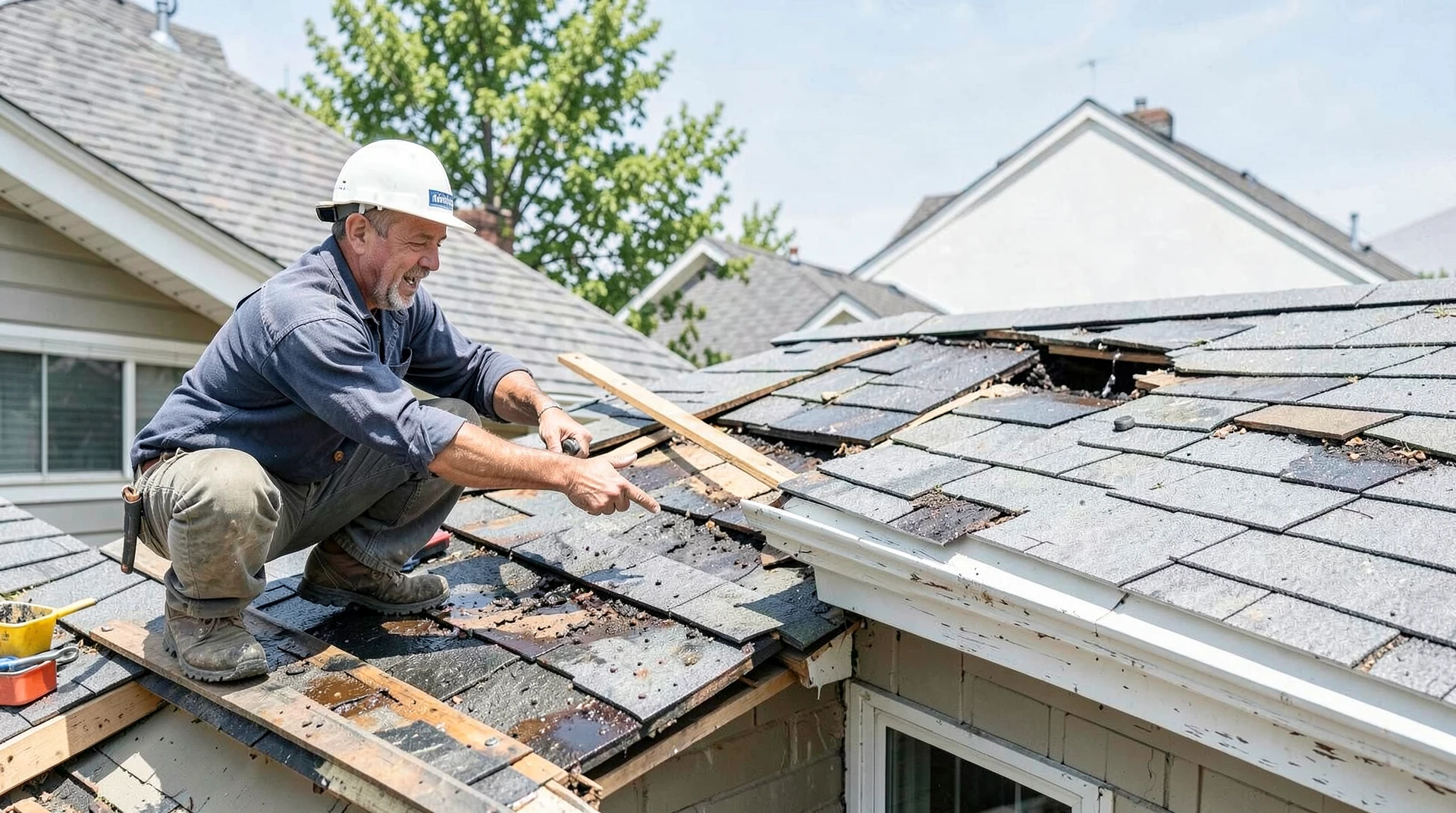
Stabilizing a Compromised Roofline: Expert Repair Methods for Far North Dallas Homes
If you’ve recently lived through a hailstorm, or if you've simply discovered a persistent stain on an interior ceiling, your immediate feeling might be one of deep anxiety. When water gets into the house, it feels like a massive violation-a threat to everything you own. You see visible damage and think the fix is simple: replace the missing shingles. But here’s the critical insight that decades in this trade have taught me: seeing surface damage is often only half the story. What truly needs attention is what's hidden beneath the surface, where water has done its silent, structural damage. This concern-the need for professional help with stabilizing a compromised roofline damaged repair methods-is far more complex than simply replacing materials; it requires diagnosing structural health and preventing future failures before they start.
We proudly serve roofing in Oak Lawn, TX and the surrounding area.
When Visible Damage Isn't the Whole Story: Understanding Compromised Rooflines
When most homeowners think of "roof damage," they picture missing asphalt shingles or visible patches. While those are obvious signs, a compromised roofline can be far more insidious. It’s not just about what you see; it’s about the structural integrity that has been silently weakened by repeated cycles of moisture intrusion.
Learn more about roofing you can trust.
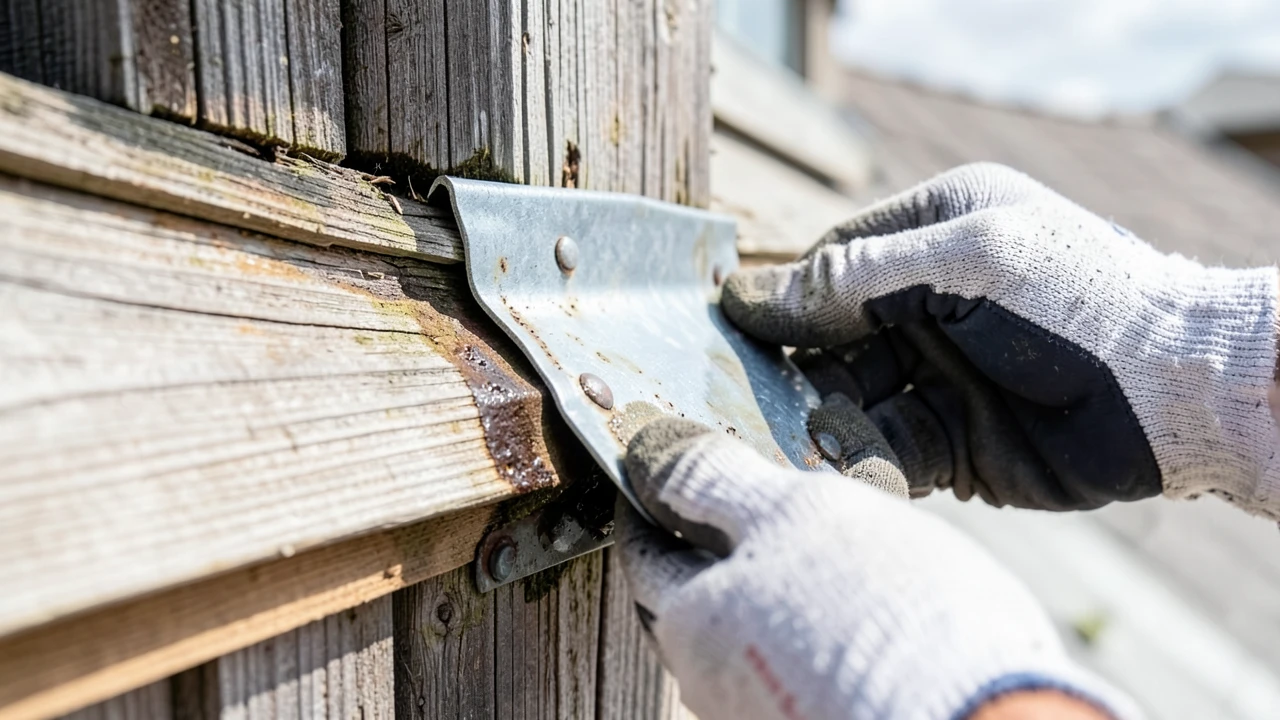
A true compromised roofline goes beyond superficial wear. It includes hidden rot in fascia boards, subtle staining on interior ceilings (which is a high-risk indicator pointing to leak paths), and critically, the deterioration of flashings-the metal strips designed to seal around chimneys, vents, and valleys. These areas are often called "the weak spots" because they bear constant stress where two materials meet: metal meets wood, or flashing meets tile.
This is why I always emphasize that the greatest cost savings come from proactive maintenance, not reactive emergency fixes after a major storm hits. Think of your roof as the skin of your home; if it’s compromised in key areas, water will find the path of least resistance and exploit it. If the underlying wood structure-the decking-is saturated or even slightly rotted due to sustained leaks over time, simply replacing new shingles on top is like putting a beautiful coat of paint over a severely rotting frame. The problem will reappear. A full assessment must therefore differentiate between minor cosmetic repairs (patching) and true structural stabilization.
The Science of Stabilization: Identifying Damaged Repair Methods
When we discuss "stabilizing a compromised roofline damaged repair methods," we are talking about advanced diagnostic work that requires specialized knowledge-it’s more than just looking at shingles; it's understanding fluid dynamics, material science, and local construction practices. Our assessment process is designed to find the source of the leak, not just the exit point.
The first critical element we examine is flashing. I like to think of flashing as the roof’s little belt-it seals everything together. If that belt rusts, cracks, or if the sealant degrades, water will get in even if the main surface looks pristine. Next are valley gutters and all penetrations (pipes, vents). These areas collect moisture and create ideal conditions for failure.
The urgency of structural stabilization cannot be overstated. If wood decking has been compromised by sustained leaks-especially those that encourage mold or mildew growth underneath-that wood must be addressed before any new material can even be applied. To put it simply: you stabilize the skeleton before you rebuild the skin.
Many quick-fix patches, while tempting in an emergency situation, are designed to look good for a week but often fail within months because they don't address the root cause. Comprehensive stabilization methods, however, involve restoring structural integrity at the component level-whether that means replacing rotted decking or applying specialized industrial sealants and supporting materials. This process is built on technical accuracy and detailed diagnosis, ensuring that your repair lasts, rather than just masking the problem until the next storm arrives.
Choosing Durable Repairs: Material Science for Far North Dallas Weather
Once stabilization is complete, we move to selecting materials that are not only beautiful but engineered to withstand the specific rigors of the Far North Dallas climate. This means considering intense heat cycles, hail impact zones, and high wind shear-all common realities in our area.
The selection process requires matching local aesthetics with material performance. For instance, a home in the historic Knox-Henderson district might call for classic slate or natural tile roofing that complements its architecture. In contrast, a modern build near Oak Lawn might benefit from the sleek durability of standing seam metal. The repair method and materials are dictated by this local architectural context.
For high-end, delicate materials like slate or clay tile, we must use entirely different installation expertise than asphalt shingles. These require skilled craftsmanship focused on preservation-we aren't just covering; we are protecting an investment in a specific style. For superior longevity and resilience against severe weather events (like the intense hailstorms common here), standing seam metal roofs offer unmatched durability, providing a true long-term solution that greatly minimizes future maintenance headaches.
However, if budget is a key concern, premium asphalt systems remain excellent value-but only when paired with modern, high-quality underlayments and proper structural support. Effective stabilizing a compromised roofline damaged repair methods must always account for the extreme local climate; we build in resilience to survive everything from intense sun exposure to sudden wind gusts.
The Full Scope: What to Expect Beyond the Shingles
One of the biggest pain points I hear from homeowners is simply, "How hard is this going to be?" Dealing with a leak and subsequent repairs can feel like coordinating an entire construction project while you're already stressed out by the damage. We want to make that process as seamless and transparent as possible.
The full scope of work goes through several defined stages: Inspection (the initial diagnosis) $
ightarrow$ Assessment Report (a detailed, clear plan outlining all necessary repairs and replacements) $
ightarrow$ Repair/Replacement Plan $
ightarrow$ Permitting (if required by local codes) $
ightarrow$ Installation.
Crucially, if leaks have caused internal moisture-which is often the case when we begin stabilizing a compromised roofline-the repair plan must include professional drying and mold abatement before roofing materials are touched. Trying to build on wet or moldy decking is pointless; remediation comes first.
We also know that property preservation and cleanup are major concerns. Our commitment extends far beyond the shingles. Our crew treats your job site like it's our own: we ensure thorough debris removal, protect landscaping, and keep the area as clean as possible throughout the process. Finally, regarding insurance claims-we guide you through documenting everything professionally, ensuring you have a clear understanding of what needs to be covered so that when you speak with an adjuster, you are well-prepared partners in your claim.
Protecting Your Investment: Proactive Roof Health for Dallas Homeowners
If I could leave the homeowners in Far North Dallas with one piece of advice, it would be this: the best defense against major financial stress is timely, professional maintenance.
Don't wait until a catastrophic event happens to realize your roof needs attention. Keep an eye out for these subtle signs that signal early deterioration-they are often much easier and cheaper to fix than waiting for total failure:
- Persistent water staining inside the house or on exterior walls.
- Musty, damp smells emanating from the attic space.
- Shingles that appear curled, cracked, or missing granules in large patches.
We recommend a routine professional roof inspection-at least annually, especially if you live in an area prone to severe weather changes. I’ve seen firsthand how much better it is to spend a few hours on proactive maintenance than spending months coordinating the aftermath of major storm damage. Finding experts who specialize in stabilizing a compromised roofline damaged repair methods early and often is always more cost-effective than reacting to catastrophic failure. Let us provide that peace of mind; let's keep your most valuable asset, your home, protected year after year.