
When Is the Ideal Time for a New Roof Installation? A Far North Dallas Homeowner’s Guide
The question "When is the ideal time for a new roof installation?" is one of the most complex questions a homeowner faces. It feels less like a simple maintenance check and more like a high-stakes guessing game, especially when dealing with severe local weather patterns-from intense summer heat to major hailstorms common here in Far North Dallas. You might see minor wear, or maybe you've noticed a persistent musty smell inside your home, and the decision can feel overwhelming. Do you wait until it leaks? Should you upgrade now just because the materials have improved?
We proudly serve the Oak Lawn area and the surrounding area.
At Rock Line Roofing, we believe that timing isn't determined by a single checklist item; it’s a careful assessment of structural integrity, material fatigue, local climate impact, and your home's unique aesthetic needs. As your trusted neighbors in this community, our goal is to cut through the confusion and give you clear, meticulous guidance on protecting your most valuable asset: your family home.
Before You Decide: Reading the Warning Signs of a Roof That Needs Attention
Many homeowners are taught that if the shingles look okay, the roof is fine. This couldn't be further from the truth. A roofer who has spent decades dealing with the weather extremes this region sees knows that the most dangerous damage is often the kind you can’t see-the structural compromise happening beneath the surface.
Ask us about Metal Roofing details – we handle it from start to finish.
Understanding Hidden Damage and Material Failure
Visible deterioration, like curling shingles or rust streaks, is only part of the story. The biggest threats are water intrusion and mold growth. When small leaks occur-perhaps through a cracked flashing point near an exhaust vent-water doesn't just drip down; it follows the path of least resistance until it hits the decking underneath. This leads to hidden damage that can compromise structural elements, causing rot and subsequent mold growth inside walls or ceilings. If you notice persistent staining on interior ceilings or even recurring musty odors in your attic space, these are not cosmetic issues-they are signs of a deeper leak that needs immediate professional investigation.
Furthermore, it’s crucial to distinguish between minor aging and critical material failure. Minor aging is normal; every roof degrades slowly over time. But material failure means a core component has given up entirely. Flashing (the metal pieces around chimneys or vents) failing, or the underlayment-that protective layer beneath your shingles-tearing due to age or stress, are signs that simple patch jobs won't cut it; they indicate systemic weakness.
The Impact of Local Weather Triggers
Our experience with severe local events is invaluable here in Far North Dallas. We’ve seen roofs damaged by everything from torrential downpours to massive hail and high winds. A seemingly minor hailstorm can impact the roofing material far beyond what a casual eye can detect. Hail doesn't just bruise; it chips, punctures, and stresses underlying fasteners and flashings, creating dozens of micro-entry points for water that only become obvious months later during heavy rain. These storm impacts require specialized knowledge to assess properly-it’s not enough to simply look at the shingle face.
Finally, remember to look beyond just the shingles. The entire roofing ecosystem is interconnected. Gutters, downspouts, and fascia boards are all critical parts of water management. If your gutters are clogged or if a flashing board beneath an adjacent corner has failed, it can lead to costly secondary damage that affects everything from your foundation to your exterior siding, even if the shingles themselves are perfect.
It's Not Just About Age: Determining If Your Roof Has Reached Its End of Life
When people ask when is the ideal time for a new roof installation?, they often assume there’s a magic number tied to the manufacturer’s warranty date. While longevity matters, the truth is far more nuanced. A roof's lifespan is determined by its cumulative damage and how well it was maintained over its years of service.
The Lifecycle Variance by Material
The first myth we need to debunk is that all roofs last the same amount of time. They don't. Different materials are designed for different longevity profiles:
- Asphalt Shingles: Typically reliable, with average lifespans ranging from 15 to 30 years depending heavily on installation quality and climate exposure.
- Metal Roofing (Standing Seam): Often lasts decades-sometimes exceeding 70 years-when properly installed and maintained, offering superior resilience against local weather events.
- Slate or Tile: These natural materials are incredibly durable but require specialized care; their lifespan is measured in generations, provided the underlying structure remains sound.
The Concept of Cumulative Damage
This concept is key to understanding true roof health. Even if your asphalt shingles are only 10 years old, and metal flashing around a chimney is only 5 years old, if that specific area has experienced repeated minor leaks and inadequate temporary repairs over time, the overall material fatigue can accelerate dramatically. These cumulative issues mean the system as a whole might be failing, forcing an early replacement regardless of the age of any single component.
Addressing Structural Concerns Beneath the Surface
The most serious concerns are often structural. The roof deck itself-the plywood or OSB sheeting-is constantly exposed to moisture and temperature fluctuations. If repeated leaks have allowed water to saturate that decking material, it can lead to rot and decay. When a professional inspection reveals that the underlying wood structure is compromised by mold or saturation, no amount of new shingles will fix the issue; a full tear-off, replacement of the damaged decking, and new roofing system are mandatory.
Understanding Your Options: From Simple Repair to Full Replacement
Once we’ve assessed the damage, you need to know if your solution is patching up a problem or starting fresh. This choice impacts cost, aesthetics, and longevity.
When Repair Is the Right Call (and Why)
Sometimes, the most financially responsible decision is not replacement-it's precise repair. If our inspection reveals that only one specific flashing joint has failed due to corrosion, replacing just that piece of metal is far more cost-effective than tearing off the entire roof. Similarly, localized leaks or damaged sections of underlayment can often be patched and reinforced without affecting the entire system. We always recommend addressing these simple issues first to conserve your budget.
Why a Full Replacement Might Be Necessary
A full replacement isn't just about age; it’s about scope and scale. You might need a complete renewal if: 1) The damage is pervasive (e.g., water saturation across multiple areas); 2) The underlying decking is compromised; or 3) There are significant improvements to local building codes or your home’s aesthetic goals.
For high-end neighborhoods like Knox-Henderson or Oak Lawn, the choice of material plays a massive role in property value retention and architectural integrity. Premium materials like standing seam metal or natural slate roofing don't just cover the house; they enhance its curb appeal, justifying a greater investment through sustained property value preservation.
The Power of Proactive Maintenance
Our signature perspective is that the greatest cost savings come from proactive maintenance, not reactive emergency fixes after a major storm hits. Periodic inspections are your greatest insurance policy against massive expenses. By catching small issues-like a loose vent seal or minor gutter blockage-before they turn into full-scale leaks, you save time, money, and the stress of crisis management.
Navigating the Process: Budgeting and Hiring a Trustworthy Local Expert
The financial side of roof replacement can feel daunting, especially when dealing with potential insurance claims. Transparency is our absolute priority.
Setting Expectations for Roof Replacement Costs
Roof replacement cost in Dallas varies wildly because it’s not just about shingles; it's about the entire labor process. The biggest factors that drive price variation are: 1) The complexity of the removal: Is it a simple teardown or does it involve tricky architectural elements? 2) Material Grade and Type: A custom slate roof requires specialized labor and materials far exceeding standard asphalt. 3) Labor Hours: This includes everything from tear-off to meticulous clean-up. To counter any online quotes that seem too low, always ask what is included in the scope of work-we want a solid quote built on transparency, with absolutely no surprise costs.
The Initial Inspection Process Explained
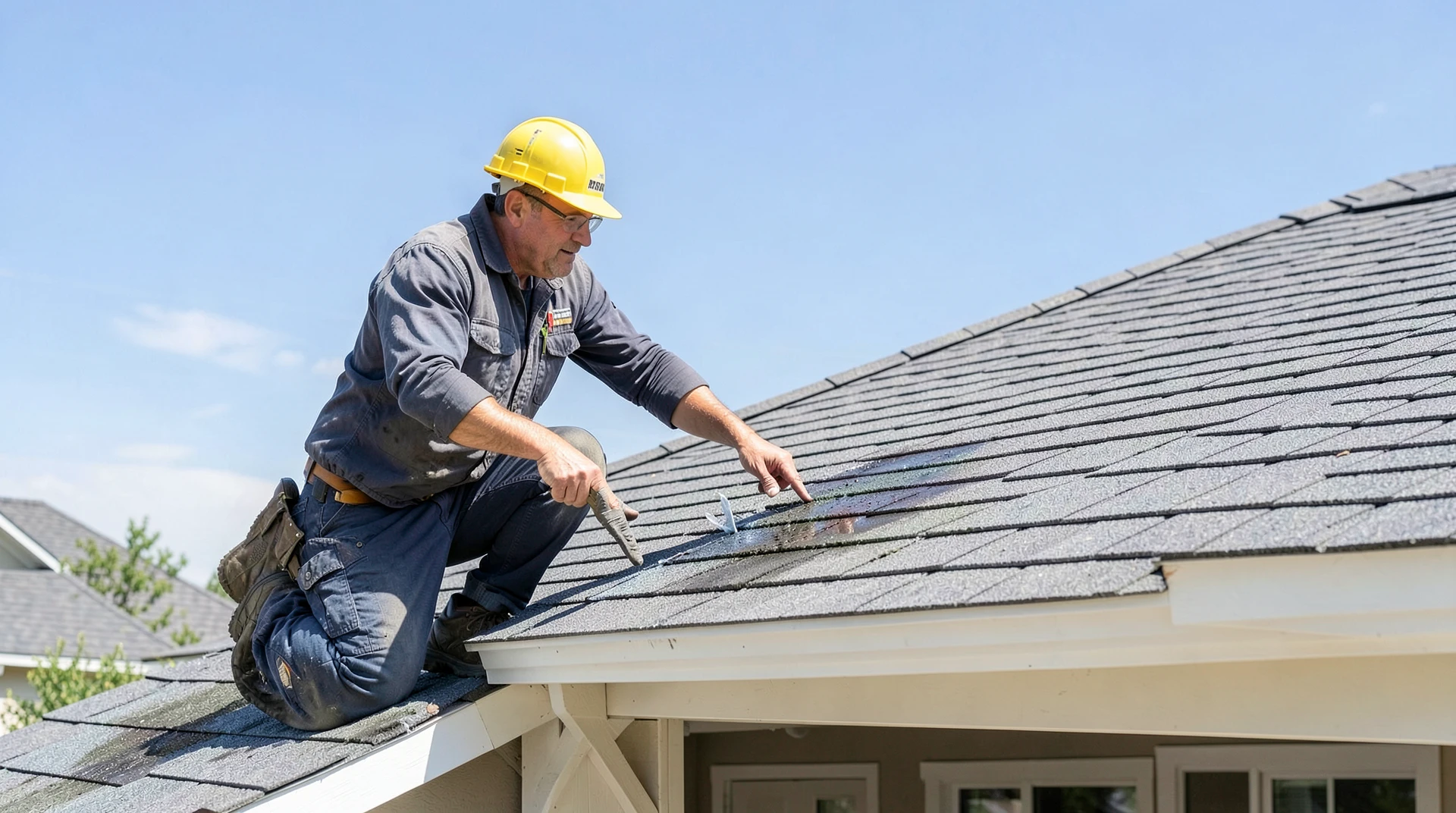
A true professional assessment is not just a visual walk-through; it's a detailed investigation. We perform comprehensive assessments that include:
- Visual Checks: Inspecting all visible materials and flashing points.
- Moisture Testing: Using specialized tools to pinpoint areas of hidden moisture intrusion, which is crucial for determining the true extent of structural damage.
This thorough process ensures that the quote you receive covers every potential structural concern, giving you peace of mind from day one.
Insurance Claims Coordination
Working with insurance adjusters can be complex and time-consuming. We pride ourselves on helping homeowners manage this timeline efficiently. A reliable local contractor acts as your expert guide, knowing exactly what documentation is required and how to best demonstrate the scope of the damage-whether it's hail or wind-to ensure a smooth claims process.
Protecting Your Investment: The Next Steps After Assessment
Choosing the right time for replacement means prioritizing ongoing care. A robust roofing system is not just structural protection; it’s safeguarding your emotional security and long-term value in your family home.
The Proactive Inspection Checklist
To determine if you are near when is the ideal time for a new roof installation?, we encourage scheduling an annual or bi-annual 'tune-up,' especially here where seasonal risks vary so much. We check everything from potential winter freeze damage to summer storm vulnerabilities, ensuring that minor deficiencies don't compound into major crises.
Choosing Your Partner in Restoration
When dealing with critical home systems, choosing the contractor is arguably as important as the materials themselves. Selecting an experienced, locally rooted expert who specializes in difficult repairs-like those caused by severe weather-is far more valuable than accepting the lowest bid. We are built on trust and deep local knowledge of Far North Dallas building codes and aesthetics.
If you've been putting off that assessment because of cost worries or simply uncertainty about when to replace a roof signs, please remember this: taking proactive care is always cheaper, safer, and less stressful than dealing with the fallout after a major leak or storm damage. To take the first step toward safeguarding your investment, contact us today for a thorough inspection at +1 469-589-3827.